
Hygiene Management
Smart Solutions for Seamless Living
Hygiene Management in Facility Management Services for Apartments
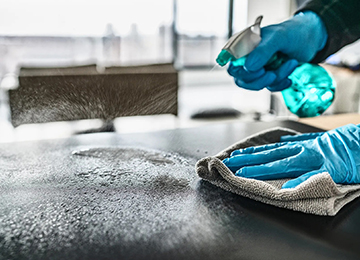
Common Area Cleaning & Disinfection
Daily cleaning of:
Lobbies
Corridors
Staircases
Elevators
Frequent disinfection of high-touch points:
Lift buttons, door handles, railings
Intercoms and keypads
Gym equipment and furniture in clubhouses.
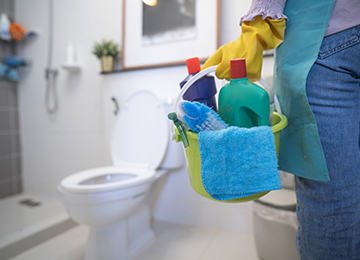
Restroom Hygiene
Cleaning and disinfection multiple times a day
Restocking of hygiene supplies (soap, hand sanitizer, tissues)
Odor control using air fresheners or natural alternatives
Deep cleaning and stain removal at scheduled intervals.
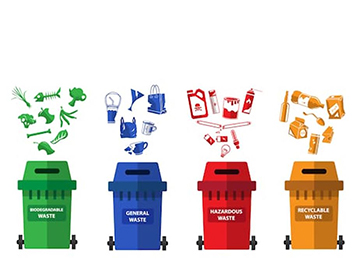
Waste Management & Disposal
Daily collection of domestic and common area waste
Segregation of waste (wet, dry, hazardous, sanitary)
Regular cleaning and sanitization of waste bins and collection areas
Coordination with municipal waste disposal services
Composting organic waste (optional, if facility has composting units).
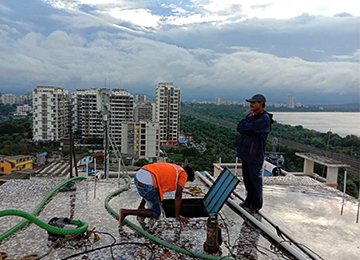
Water Tank & STP Hygiene
Regular cleaning and disinfection of:
Overhead and underground water tanks
Sewage Treatment Plants (STP)
Preventing algae, moss, and foul odors
Ensuring clean, safe water for residents.
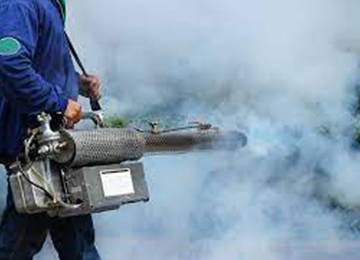
Pest Control & Vector Management
Regular pest control services (cockroaches, ants, rodents, termites)
Fogging and spraying in common areas to control mosquitoes
Sealing of drain traps and preventive measures in basements, ducts, and garbage areas
Keeping logs of pest control schedules and chemical usage
.
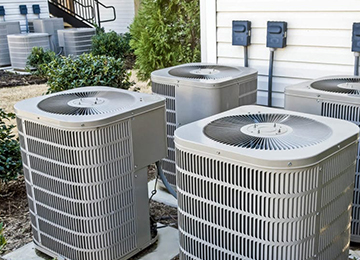
Indoor Air Quality Management
Regular maintenance of HVAC filters in common areas
Use of air purifiers in closed lounges or indoor clubs (if applicable)
Ventilation checks in basements, washrooms, and stairwells
.
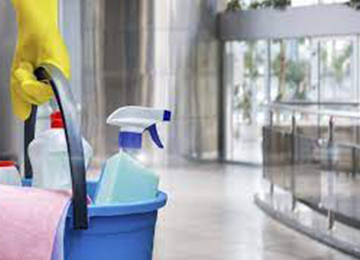
Personal Hygiene of Facility Staff
Ensuring staff wear clean uniforms, gloves, and masks as required
Regular health checkups and training in hygiene practices
Provision of handwashing and sanitization stations for staff.

Swimming Pool Hygiene
Regular water quality testing (pH, chlorine levels)
Cleaning pool deck and filtration systems
Displaying hygiene instructions for residents.
Benefits of Effective Hygiene Management
Reduces spread of infections and diseases
Promotes resident satisfaction and trust
Enhances property value and aesthetics
Ensures compliance with health and municipal regulations.
 Chat with us